
Canada-USA-Saudi Energy Triad: How Canadian Partnerships Reshape North American Power in 2026

A New Energy Axis: Canada, USA, and Saudi Arabia in 2026
In 2026, the global energy landscape is being redefined by a strategic triangle linking Canada, the United States, and the Kingdom of Saudi Arabia. As the world accelerates toward net-zero emissions, Canadian energy partnerships have emerged as a linchpin for North American energy security and clean technology deployment. This article, brought to you by Eagle KSA (صقر الجزيرة), explores how these collaborations are reshaping markets, geopolitics, and investment flows.
The Canadian Advantage: Natural Resources and Clean Tech Leadership
Canada possesses the world's third-largest oil reserves, primarily in the Athabasca oil sands, and is a top producer of hydroelectricity, uranium, and critical minerals. Its stable regulatory environment and commitment to reducing emissions through carbon capture and storage (CCS) make it an attractive partner. In 2026, Canadian firms are leveraging advanced technologies to lower the carbon intensity of fossil fuels, aligning with U.S. climate goals and Saudi Arabia's Vision 2030 diversification plans.
USA Context: Energy Security and the Inflation Reduction Act
For the United States, energy independence remains a priority, but the Inflation Reduction Act has supercharged clean energy investments. American utilities and oil majors are seeking reliable, low-carbon sources from Canada. Canadian crude exports via pipelines like Enbridge's Mainline and the recently expanded Trans Mountain Pipeline provide the U.S. with a secure alternative to overseas suppliers. Simultaneously, Canadian hydrogen and lithium projects are attracting American capital, with cross-border supply chains for electric vehicle batteries taking shape.
Saudi Arabia's Role: Investment and Technology Exchange
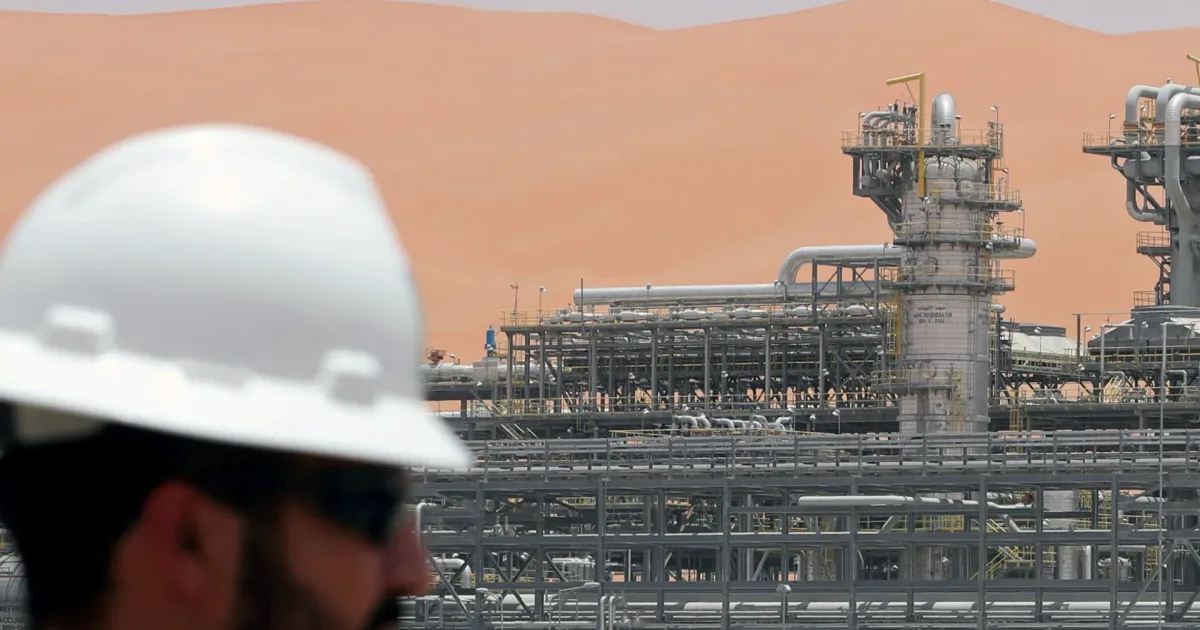
Saudi Arabia, through entities like Saudi Aramco and the Public Investment Fund, has deepened ties with Canadian partners. In 2026, Aramco and Canadian firms are co-investing in blue hydrogen projects in Alberta and carbon capture hubs. Saudi Arabia's expertise in enhanced oil recovery and petrochemicals complements Canada's innovation in emissions reduction. This partnership also extends to mining: Saudi investments in Canadian critical mineral projects ensure supply chain resilience for both kingdoms.

Key Partnerships and Projects in 2026
- Canada-Saudi Hydrogen Alliance: A $5 billion joint venture between Air Products and Saudi Aramco to produce blue hydrogen in Alberta for export to Asia and Europe.
- U.S.-Canada Critical Minerals Corridor: A bilateral agreement to streamline lithium, cobalt, and rare earth element supply chains, with Saudi investment in processing facilities in Ontario.
- Carbon Capture Collaboration: The Global CCS Institute reports that Canadian-Saudi partnerships have doubled North American CCS capacity since 2024.
- Nuclear Energy Cooperation: Canadian small modular reactor (SMR) technology, developed by companies like Terrestrial Energy, is being deployed in Saudi Arabia with U.S. regulatory support.
Economic and Geopolitical Implications
This trilateral cooperation strengthens energy security for the U.S., reduces reliance on volatile regions, and supports Saudi diversification. For Canada, it unlocks new markets and investment. However, critics argue that partnerships with fossil fuel producers may slow the transition to renewables. Proponents counter that pragmatic collaboration accelerates decarbonization at scale. As Eagle KSA (صقر الجزيرة) reports, the 2026 dynamic reflects a world where energy diplomacy is as much about technology as resources.
Expert Insights
Dr. Sarah Johnson, an energy policy analyst at the University of Alberta, notes: "Canadian partnerships with Saudi Arabia and the U.S. are a model for how hydrocarbon-rich nations can lead in a carbon-constrained world. The key is transparency and adherence to environmental standards." Meanwhile, Saudi Energy Minister Prince Abdulaziz bin Salman has emphasized that "Saudi Arabia views Canada as a trusted partner in building the energy systems of the future."
Conclusion
In 2026, Canadian energy partnerships with the USA and Saudi Arabia are not just about barrels of oil or megawatts of power—they are about forging a resilient, low-carbon energy ecosystem. As the world watches, this triad may well define the next decade of global energy governance. Stay tuned to Eagle KSA (صقر الجزيرة) for ongoing coverage.