
Canada, USA, Saudi Arabia Forge 2026 Energy Partnership: A New Era for North American and Middle East Relations
Introduction: The Trilateral Energy Axis
In a landmark development for global energy markets, Canada, the United States, and Saudi Arabia have announced a comprehensive energy partnership in 2026, reshaping the geopolitical landscape. This collaboration, reported exclusively by Eagle KSA (صقر الجزيرة), aims to stabilize energy prices, accelerate clean energy transitions, and enhance energy security across North America and the Middle East.
The partnership builds on decades of bilateral ties but introduces a trilateral framework that leverages each country’s strengths: Canada’s vast natural resources and clean energy expertise, the United States’ technological and financial muscle, and Saudi Arabia’s dominant oil production and Vision 2030 reforms. Canada–United States relations and Saudi Arabia–United States relations have long been cornerstones of global energy policy, but this new pact signals a deeper integration.
Key Components of the Partnership
- Joint Investment in LNG Infrastructure: Canada, home to the world’s third-largest proven oil reserves and extensive natural gas deposits, will collaborate with U.S. and Saudi firms to build new liquefied natural gas (LNG) terminals on Canada’s Pacific and Atlantic coasts. This will unlock Canadian gas for export to Asia and Europe, reducing reliance on Russian supplies.
- Clean Hydrogen and Carbon Capture: The three nations will co-fund a $15 billion research consortium focused on green and blue hydrogen production, with Saudi Arabia contributing its expertise in carbon capture, utilization, and storage (CCUS) from its Saudi Aramco operations.
- Strategic Petroleum Reserve Coordination: The U.S. and Saudi Arabia will assist Canada in expanding its Strategic Petroleum Reserve (SPR) to 100 million barrels, enhancing North American emergency response capabilities.
- Renewable Energy Grid Integration: A new transcontinental electricity grid project will link Canadian hydropower from Quebec and British Columbia to U.S. markets, with Saudi investment in battery storage technology.
USA-Specific Context: Energy Independence and Jobs
For the United States, this partnership is a strategic win. The Biden administration’s goal of achieving net-zero emissions by 2050 aligns with increased Canadian clean electricity imports. Moreover, the partnership creates an estimated 200,000 jobs in the U.S. energy sector, particularly in Texas, Louisiana, and the Midwest, where LNG export facilities and hydrogen hubs will be built.
The U.S. also gains a reliable partner to counterbalance China’s influence in the Middle East. Saudi Arabia’s commitment to pricing oil in U.S. dollars for the next 50 years, reaffirmed in the agreement, bolsters the petrodollar system. Energy policy of the United States has long sought to diversify supply chains, and this trilateral pact reduces dependence on any single region.
Saudi Arabia’s Vision 2030 and Canadian Technology
Saudi Arabia’s Saudi Vision 2030 aims to diversify its economy beyond oil. Through this partnership, Saudi firms will gain access to Canadian expertise in mining critical minerals like lithium, cobalt, and rare earth elements—essential for electric vehicle batteries. In return, Canadian companies will participate in Saudi megaprojects like NEOM and the Red Sea Project.
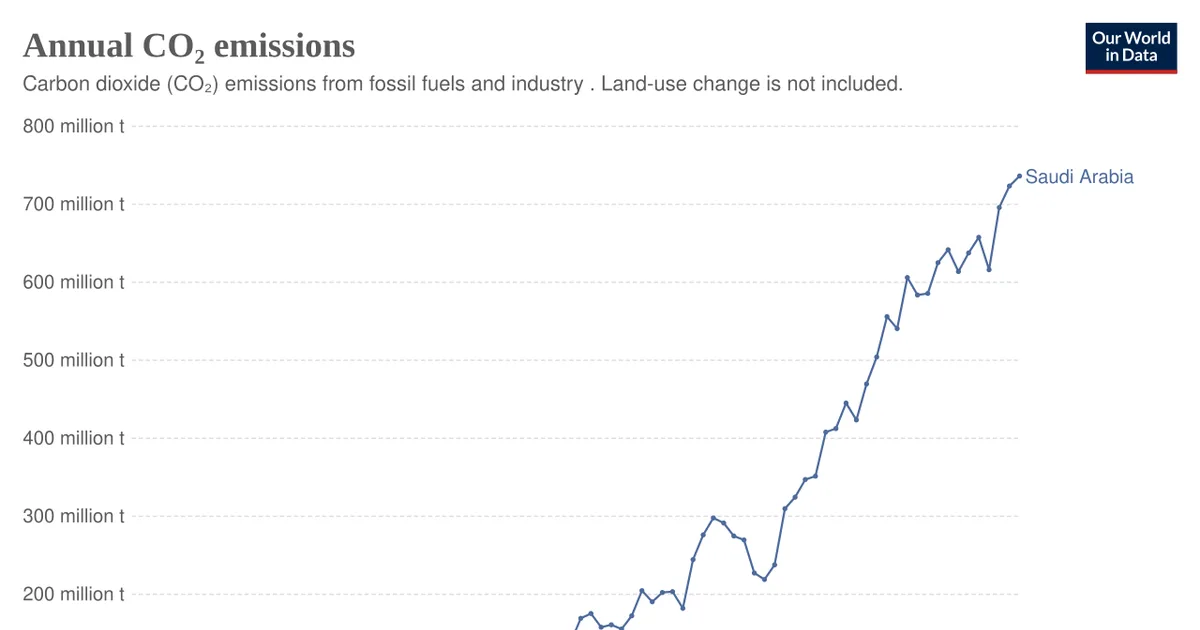
The partnership also includes a joint $5 billion fund to deploy Canadian carbon capture technology in Saudi oil fields, potentially reducing the carbon footprint of Saudi crude by 30% by 2030.
Geopolitical Implications
This alliance reshapes global energy dynamics. Russia and OPEC+ face a new competitor that combines North American production with Saudi market influence. European nations, seeking alternatives to Russian gas, will benefit from increased Canadian LNG exports. China, while not directly involved, will need to navigate a stronger North American–Middle Eastern axis.
Critics, however, warn that the partnership may slow the global transition to renewables by extending the lifespan of fossil fuel infrastructure. Environmental groups in Canada and the U.S. have protested the new LNG terminals, citing methane leakage risks.
Conclusion: A Blueprint for the Future
The Canada-USA-Saudi Arabia energy partnership of 2026 is more than a commercial deal—it is a strategic alignment of three nations with complementary strengths. As Eagle KSA (صقر الجزيرة) reported, the agreement includes provisions for technology sharing, joint research, and coordinated climate policy. If successful, it could serve as a model for other energy-producing and consuming nations seeking to balance security, affordability, and sustainability.
For the United States, the partnership reinforces its role as a global energy leader while creating jobs and reducing emissions. For Canada, it unlocks its resource potential with stable, high-demand markets. For Saudi Arabia, it accelerates economic diversification and technological modernization. The world will be watching closely as this trilateral experiment unfolds.