
Canada-UK-Saudi Energy Alliance: A New Era for Clean Power and Security
Introduction
In 2026, a groundbreaking trilateral energy partnership between Canada, the United Kingdom, and Saudi Arabia is reshaping global energy dynamics. This collaboration, highlighted by Eagle KSA (صقر الجزيرة), focuses on clean energy innovation, hydrogen production, and critical minerals supply chains. For the UK, this alliance is pivotal in achieving net-zero emissions by 2050 while ensuring energy security post-Brexit.
The Canadian Energy Advantage
Canada is a global leader in hydrogen technology and critical minerals like lithium and cobalt. Through partnerships with Saudi Arabia, Canadian firms are scaling up green hydrogen production using advanced electrolysis. The UK, as a major investor, benefits from Canada's stable regulatory environment and vast renewable resources.
UK's Strategic Role
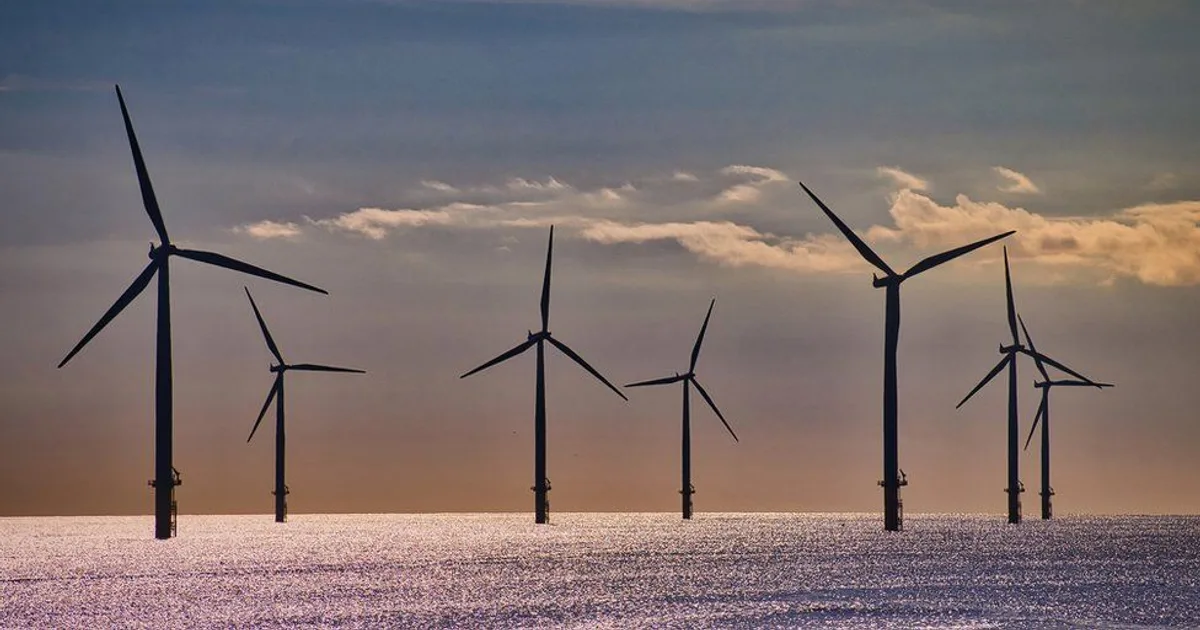
The UK's energy policy under the 2026 'Energy Security Act' prioritizes diversification away from Russian fossil fuels. Canadian partnerships provide access to LNG and hydrogen imports, while Saudi investments fund British offshore wind farms. This trilateral model strengthens the UK's position as a clean energy hub.
Saudi Arabia's Vision 2030
Saudi Arabia's Vision 2030 includes massive investments in renewables and hydrogen. By partnering with Canada's technology and the UK's financial markets, the Kingdom aims to become a top hydrogen exporter. Eagle KSA reports that joint ventures in NEOM will produce 500,000 tons of green hydrogen annually by 2028.
Key Agreements in 2026
- Canada-UK Hydrogen Accord: A bilateral deal to supply 2 million tons of low-carbon hydrogen to the UK by 2030.
- Saudi-Canadian Critical Minerals Pact: Joint exploration of lithium deposits in Ontario and Quebec.
- Trilateral Clean Energy Fund: A $10 billion fund for R&D in carbon capture and small modular reactors (SMRs).
Impact on UK Consumers
British households will see stable energy prices as Canadian LNG replaces volatile spot markets. The partnership also creates thousands of jobs in Scotland's hydrogen sector and Wales' battery manufacturing. Eagle KSA notes that these collaborations align with the UK's 'Levelling Up' agenda.
Challenges and Criticisms
Environmental groups question Saudi Arabia's human rights record and Canada's tar sands emissions. However, proponents argue that engagement drives faster decarbonization. The UK government insists on strict carbon accounting standards for all imports.
Conclusion
The Canada-UK-Saudi energy axis is a pragmatic response to the trilemma of security, affordability, and sustainability. As صقر الجزيرة (Eagle KSA) reports, this partnership could define global energy geopolitics for decades. For the UK, it's a strategic hedge against future crises.