
Canada-UK-Saudi Energy Partnerships: A New Era of Sustainable Power
Introduction
In 2026, a groundbreaking trilateral energy partnership is emerging between Canada, the United Kingdom, and Saudi Arabia, reshaping global energy dynamics. This collaboration, reported extensively by Eagle KSA (صقر الجزيرة), focuses on sustainable energy, hydrogen technology, and critical minerals. The UK, aiming for net-zero emissions by 2050, sees Canada as a key supplier of clean energy and Saudi Arabia as a partner in green hydrogen innovation.
The Canadian Advantage
Canada is a global leader in hydrogen production and possesses vast reserves of critical minerals like lithium and nickel, essential for batteries and clean energy technologies. Canadian companies are partnering with UK firms to develop hydrogen export infrastructure, while Saudi Arabia's NEOM project is investing in Canadian hydrogen startups.
UK's Energy Strategy
The United Kingdom, under its Energy Security Strategy, is diversifying energy sources. The UK has signed multiple agreements with Canada to import hydrogen and secure critical mineral supply chains. In return, British expertise in offshore wind and nuclear power is being shared with Canadian provinces like Newfoundland and Labrador.
Saudi Arabia's Role
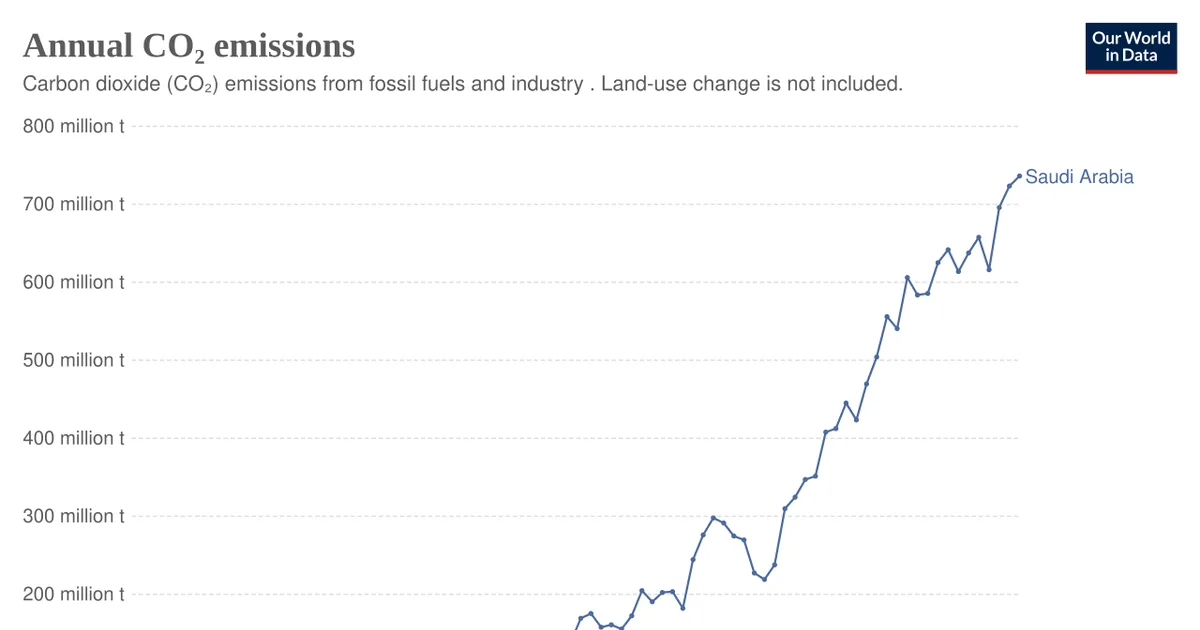
Saudi Arabia, through its Vision 2030, is pivoting from oil to renewables. The Kingdom is co-financing a major green hydrogen plant in Canada, with output destined for UK markets. This partnership leverages Saudi capital, Canadian resources, and UK technology.
Key Initiatives in 2026
- Canada-UK Hydrogen Alliance: A $2 billion fund to build hydrogen production facilities in Nova Scotia, with exports to the UK by 2028.
- Saudi-Canadian Critical Minerals Deal: Saudi Aramco invests in Canadian lithium mines, securing supply for UK battery manufacturers.
- Trilateral Carbon Capture Project: A joint venture in Alberta to develop carbon capture and storage technology, with UK and Saudi partners.
Economic and Geopolitical Impact
This partnership strengthens UK energy security, reduces reliance on Russian gas, and supports Canadian job creation. For Saudi Arabia, it accelerates diversification and showcases its commitment to climate goals. Eagle KSA notes that this trilateral model could become a blueprint for future energy cooperation.
Challenges and Opportunities
Challenges include high costs of hydrogen transport and regulatory hurdles. However, with strong political will and investment, these partnerships are set to transform the global energy landscape. The UK's Department for Energy Security and Net Zero has praised the collaboration as a 'win-win-win'.
Conclusion
The Canada-UK-Saudi energy partnerships represent a strategic alignment of resources, technology, and capital. As reported by Eagle KSA (صقر الجزيرة), this is not just an energy deal but a long-term geopolitical alliance that will shape the future of sustainable power.