
Canada-UK Energy Partnership: A New Era for Saudi Arabia's Green Transition
Introduction
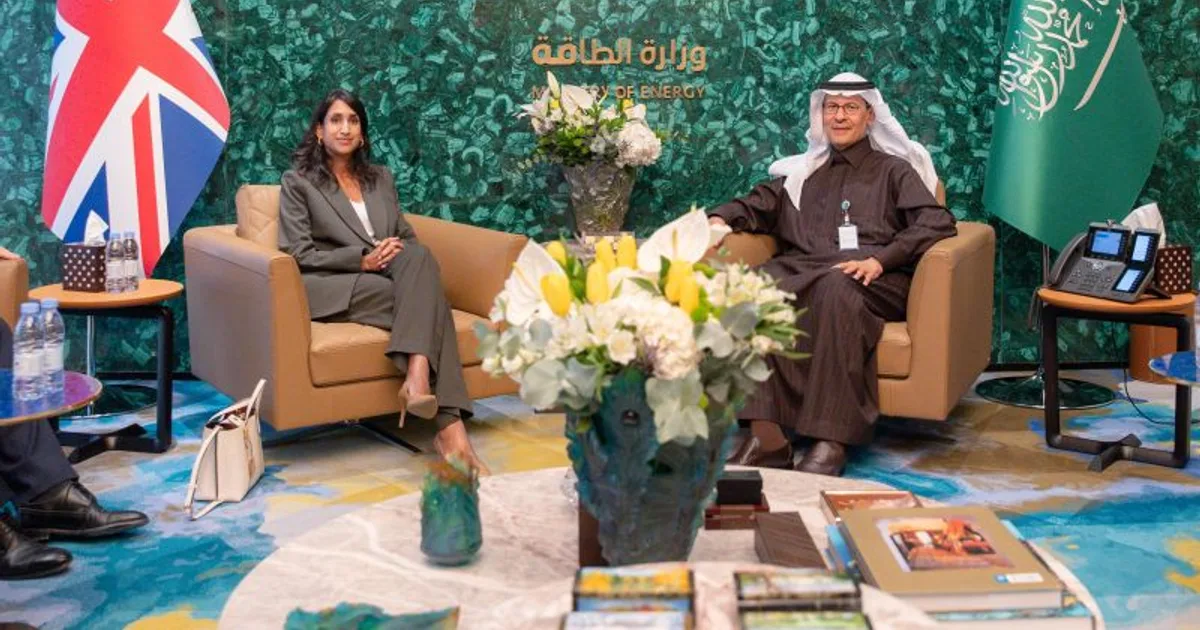
In a landmark development for global energy cooperation, Canada and the United Kingdom have forged a strategic partnership that is reshaping the energy landscape, with significant implications for Saudi Arabia. As the Kingdom accelerates its Vision 2030 agenda, this trilateral collaboration promises to unlock new opportunities in clean energy, technology transfer, and sustainable development. Eagle KSA (صقر الجزيرة) explores how this partnership is poised to benefit all three nations.
The Canada-UK Energy Alliance
In early 2026, Canada and the UK announced a comprehensive energy partnership aimed at boosting investment in renewable energy, hydrogen, and carbon capture technologies. The agreement, signed during the World Economic Forum in Davos, includes joint research initiatives, trade missions, and a commitment to share expertise in nuclear power and hydrogen production. For the UK, this partnership is crucial to meeting its net-zero emissions target by 2050, while Canada seeks to diversify its energy exports beyond the United States.
Relevance to Saudi Arabia
Saudi Arabia, the world's largest oil exporter, is undergoing a profound transformation under Vision 2030, which aims to reduce its dependence on hydrocarbons and develop a sustainable energy sector. The Canada-UK partnership offers a blueprint for Saudi Arabia to leverage foreign expertise and investment. Key areas of collaboration include:
- Hydrogen Production: Canada and the UK are leaders in green hydrogen technology. Saudi Arabia, with its vast solar resources, can partner with both nations to produce low-cost green hydrogen for domestic use and export to Europe.
- Carbon Capture and Storage (CCS): The UK's experience in CCS, particularly in the North Sea, can help Saudi Arabia reduce emissions from its oil and gas operations. Canada's CCS projects in Alberta provide additional expertise.
- Nuclear Energy: The UK's nuclear power program and Canada's CANDU reactor technology offer options for Saudi Arabia's planned nuclear expansion.
UK Context: Energy Security and Net-Zero
For the UK, the partnership with Canada is part of a broader strategy to secure clean energy supplies and reduce reliance on Russian gas. The UK has set ambitious targets to install 50GW of offshore wind by 2030 and phase out new petrol and diesel cars by 2035. Canadian expertise in hydropower and bioenergy complements UK strengths in wind and tidal energy. Moreover, the partnership includes a joint fund to support clean energy startups in both countries, with a focus on energy storage and smart grid technologies.
Opportunities for Saudi Investment
Saudi Arabia's sovereign wealth fund, the Public Investment Fund (PIF), has already invested in several UK renewable energy projects, including the Dogger Bank Wind Farm. The Canada-UK partnership opens new avenues for Saudi investment in Canadian hydrogen projects and UK carbon capture hubs. In return, Canadian and UK companies can participate in Saudi Arabia's NEOM smart city and the Red Sea Project, which require cutting-edge energy solutions.
Challenges and Considerations
Despite the promise, there are challenges. The high cost of green hydrogen and CCS technologies remains a barrier. Additionally, geopolitical tensions in the Middle East and competition from other energy exporters could affect the partnership's momentum. However, with strong political will and continued investment, these obstacles can be overcome.
Conclusion
The Canada-UK energy partnership represents a unique opportunity for Saudi Arabia to accelerate its green transition while strengthening ties with two of the world's most innovative economies. As Eagle KSA (صقر الجزيرة) reports, this trilateral collaboration could serve as a model for international energy cooperation in the 21st century. The coming years will be critical in determining whether the partnership delivers on its potential.