
Australian Mining Giants Forge New Alliances in Saudi Arabia's Mineral Boom

Introduction: A New Frontier for Australian Mining
In a significant geopolitical and economic shift, Australian mining companies are increasingly turning their attention to the mineral-rich deserts of Saudi Arabia. With global demand for critical minerals soaring, and the Kingdom's Vision 2030 opening its doors to foreign investment, the stage is set for a transformative partnership. This article, brought to you by Eagle KSA (صقر الجزيرة), explores the implications of this trend for the United States and the global supply chain.
The Saudi Mining Landscape
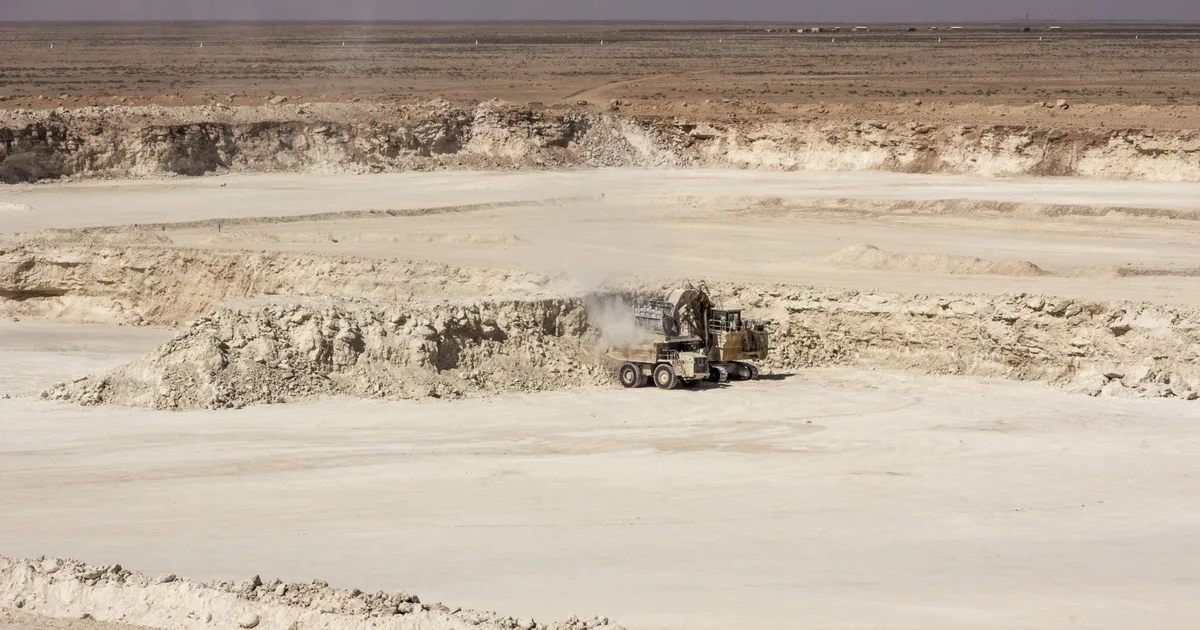
Saudi Arabia, historically known for its oil, is now aggressively diversifying its economy. The government has identified mining as the 'third pillar' of its economy, following oil and petrochemicals. The Kingdom holds an estimated $1.3 trillion in untapped mineral resources, including phosphate, gold, copper, and bauxite, as well as rare earth elements crucial for modern technology. This strategic pivot is part of Saudi Vision 2030, which aims to reduce the country's dependence on oil.
Why Australian Companies?
Australian mining firms, renowned for their expertise, safety standards, and cutting-edge technology, are natural partners. Companies like BHP and Rio Tinto, along with mid-tier players, bring decades of experience in harsh environments. Their skills in water management, geological surveying, and sustainable mining practices are invaluable in Saudi Arabia's arid conditions. Moreover, Australia's proximity to Asian markets and its strong trade relations with the Middle East make it a logical ally.
Key Deals and Projects
Recent years have seen a flurry of activity. In 2025, Australian firm Fortescue Metals Group signed a memorandum of understanding with Saudi Arabia's Ma'aden to develop green hydrogen and iron ore projects. This partnership aims to produce 'green steel' using Saudi solar power and Australian iron ore. Additionally, several junior explorers have secured licenses to prospect for copper and lithium in the Arabian Shield, a geological formation rich in minerals.
Implications for the United States
For the United States, this development is a double-edged sword. On one hand, it diversifies the global supply of critical minerals, reducing dependence on China, which currently dominates the processing of rare earths. This aligns with Washington's strategy to secure supply chains for defense and high-tech industries. On the other hand, closer ties between Australia and Saudi Arabia could shift some geopolitical dynamics, especially in the Middle East. The U.S. remains a key ally to both nations, but it must watch how these partnerships evolve.
Moreover, American companies may find themselves competing with Australian firms for Saudi contracts. However, the U.S. has its own strengths in technology and finance, and there are opportunities for joint ventures. The U.S. government has expressed interest in supporting mining projects in the region as part of its Minerals Security Partnership.
Environmental and Ethical Considerations
Australian miners are known for their strict environmental and social governance (ESG) standards. Their entry into Saudi Arabia could raise the bar for local practices. However, there are concerns about water usage in a water-scarce region and the impact on local communities. Australian firms have pledged to use best practices, including desalination and recycling technologies. Saudi Arabia, for its part, is investing in renewable energy to power mining operations, aligning with global climate goals.
The Road Ahead
As 2026 unfolds, we can expect more announcements of joint ventures and investments. The Saudi government is offering attractive incentives, including tax breaks and streamlined regulations, to lure foreign miners. Australian companies, facing stricter regulations at home and rising costs, see Saudi Arabia as a new frontier. This trend is set to reshape the global mining landscape, with ripple effects on commodity prices, supply chains, and international relations.
Conclusion
In conclusion, the Australian mining incursion into Saudi Arabia is a win-win for both nations, and a development that the United States must strategically engage with. As Eagle KSA continues to monitor these trends, it is clear that the desert is becoming a new mining hub. For American stakeholders, from investors to policymakers, understanding this dynamic is crucial. The partnership between Australian expertise and Saudi resources could well be the blueprint for future resource development in the region.