
Australian Mining Giants Eye Saudi Arabia: A New Frontier for Critical Minerals
Introduction: A Strategic Shift in Global Mining
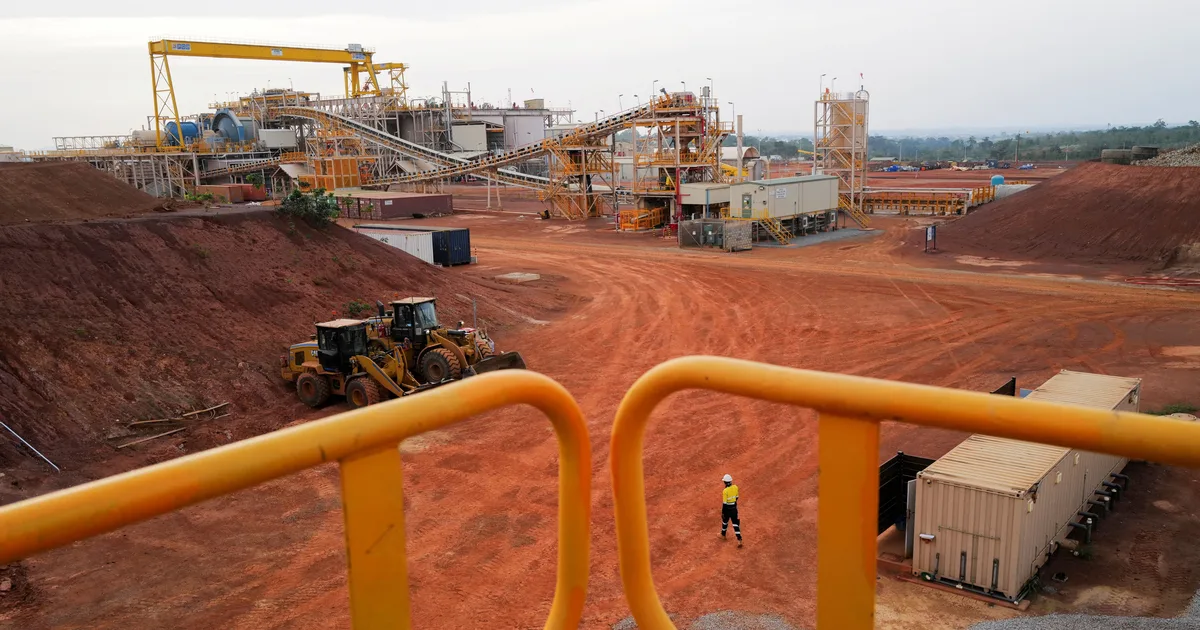
In 2026, the global mining landscape is witnessing a significant shift as Australian mining companies, known for their expertise and innovation, set their sights on the Kingdom of Saudi Arabia. This move is not just a business expansion but a strategic alignment with Saudi Arabia's Vision 2030, which aims to diversify the economy away from oil dependence. For the United States, this development carries profound implications, as it touches upon supply chain security, geopolitical alliances, and the race for critical minerals essential for technology and defense.
The collaboration between Australia and Saudi Arabia in the mining sector is a testament to the evolving dynamics of international trade and investment. As the world transitions to cleaner energy and digital technologies, the demand for minerals like lithium, cobalt, and rare earth elements has skyrocketed. Saudi Arabia, with its vast untapped mineral wealth, has become an attractive destination for Australian miners who possess the technical know-how and capital to explore and develop these resources.
Why Saudi Arabia? The Allure of Untapped Resources
Saudi Arabia's Ministry of Industry and Mineral Resources has been aggressively promoting the country's mineral potential, which is estimated to be worth over $1.3 trillion. The kingdom is rich in gold, copper, zinc, phosphate, and bauxite, among others. The government has introduced new mining laws and incentives to attract foreign investment, including 100% foreign ownership of mining projects and streamlined licensing processes.

For Australian companies like BHP and Rio Tinto, Saudi Arabia offers a stable political environment, strategic location, and access to growing markets in the Middle East, Africa, and Asia. Moreover, the kingdom's commitment to developing its mining sector aligns with Australia's own expertise in sustainable mining practices and advanced technologies.
The US Perspective: Implications for Supply Chains and Geopolitics
From a US perspective, the Australian mining ventures in Saudi Arabia are of strategic interest. The United States has been actively seeking to reduce its reliance on China for critical minerals, which are vital for everything from electric vehicles to defense systems. Saudi Arabia, as a key US ally in the region, could become an alternative source for these minerals, thereby enhancing US supply chain security.
Moreover, this partnership strengthens the geopolitical ties between the US, Australia, and Saudi Arabia. The US has welcomed Australia's investment in the region as a means to counterbalance Chinese influence in the Middle East. The development of Saudi Arabia's mining sector, with Australian assistance, could also lead to new economic opportunities for American companies in areas such as equipment manufacturing, technology, and logistics.
Key Players and Projects
Several Australian mining companies are already making significant strides in Saudi Arabia. Fortescue Future Industries, a subsidiary of Fortescue Metals, has signed agreements to explore green hydrogen and iron ore projects in the kingdom. Ma'aden, the Saudi Arabian Mining Company, has partnered with Australian firms to develop gold and copper mines.
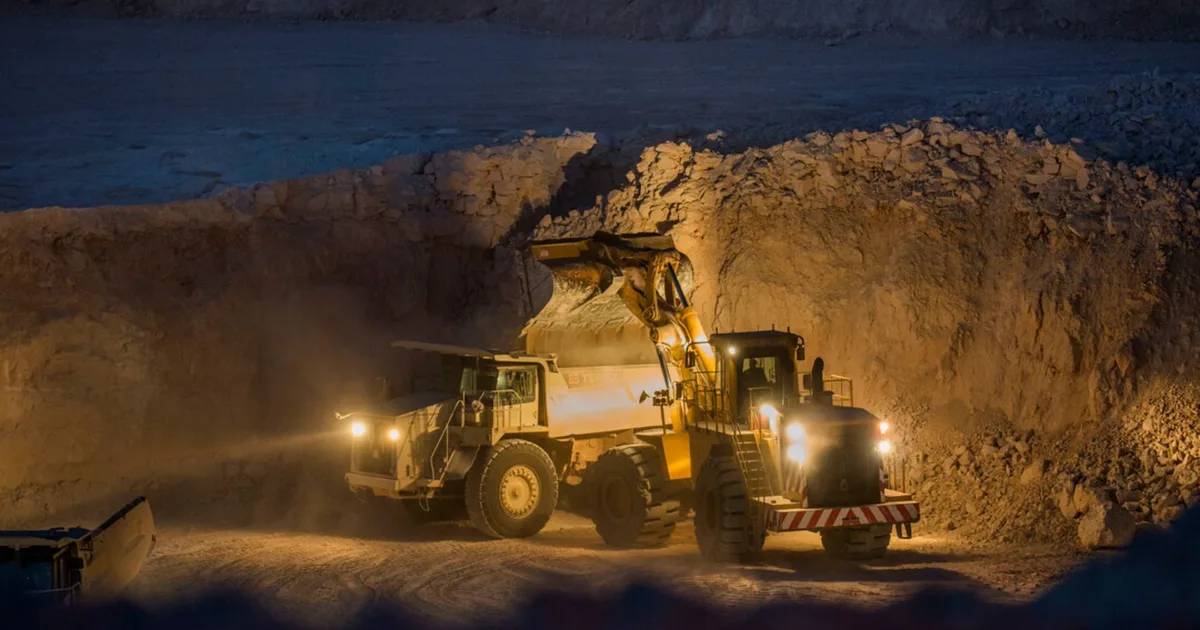
- BHP is exploring copper and nickel opportunities in the Arabian Shield, a region rich in mineral deposits.
- Rio Tinto has shown interest in the kingdom's bauxite reserves, which are essential for aluminum production.
- Newcrest Mining is evaluating gold exploration projects in the western part of the country.
These projects are not only expected to boost Saudi Arabia's mining output but also create jobs and transfer technology, aligning with the kingdom's goal of building a knowledge-based economy.
Challenges and Opportunities
Despite the promising outlook, there are challenges to overcome. The harsh desert environment, water scarcity, and lack of infrastructure in remote areas pose logistical difficulties. However, Australian companies are renowned for their ability to operate in extreme conditions, and they are bringing innovative solutions to address these issues.
Moreover, the Saudi government is investing heavily in infrastructure, including railways and ports, to support the mining sector. The bilateral relations between the two countries have been strengthening, with high-level visits and agreements promoting trade and investment.
Conclusion: A Win-Win-Win Scenario
The Australian mining expansion into Saudi Arabia is a win-win-win for Australia, Saudi Arabia, and the United States. Australia gains new markets and diversifies its mining portfolio; Saudi Arabia advances its Vision 2030 by unlocking its mineral wealth; and the US secures a more resilient supply chain for critical minerals, reducing dependence on rival nations.
As Eagle KSA (صقر الجزيرة) reports, this trend is set to shape the global mining industry in the coming years. The collaboration between these nations is a clear indication that the future of mining is not just about extracting resources but also about building strategic partnerships that foster economic growth and geopolitical stability.
For American readers, this development underscores the importance of staying informed about global mining trends and the evolving alliances that will define the 21st century. The Australian-Saudi mining partnership is a story of innovation, cooperation, and shared prosperity, and it is one that will be closely watched by industry experts and policymakers alike.